The uncomfortable truth about AI workflow automation is that the demo is the easy part. Getting an intelligent process automation from an impressive proof of concept to something your business runs on every day is where most projects quietly die. The gap is rarely the model. It is everything around it.
Why pilots stall
A pilot runs on clean sample data, a forgiving audience, and no consequences. Production runs on messy real inputs, edge cases nobody mentioned, and a business that notices immediately when something is wrong. Teams that treat the pilot as the finish line get blindsided by the last eighty percent of the work.
The operating model that ships
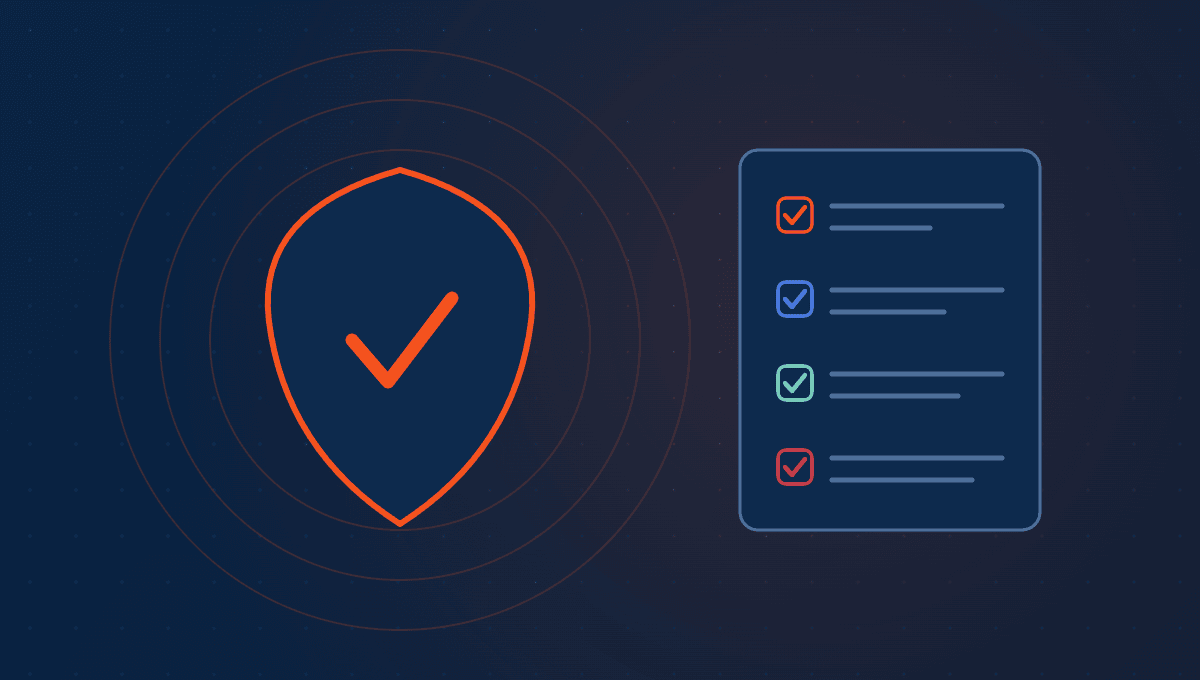
Automations that make it to production share a discipline that pilots skip:
- Evaluation harnesses that measure quality before and after every change
- Human-in-the-loop checkpoints on the actions that carry real risk
- Observability so you can see what the automation did and why
- A clear owner, because unowned automation rots
Measure the thing that matters
The right metric is almost never model accuracy in isolation. It is manual effort removed, cycle time cut, or errors avoided, measured against the process as it ran before. If you cannot state the before number, you are not ready to automate it yet.
A demo proves it can work once. Production proves it keeps working when you are not watching.
Start small, expand from evidence
Pick one workflow with clear value and a contained blast radius. Instrument it, ship it, and let the measured results decide what you automate next. Expanding from evidence beats expanding from enthusiasm every time.