Agentic AI is the phrase on every vendor deck in 2026, and most of it is noise. Underneath the hype there is a real shift worth understanding. A chatbot answers a question. An agent plans a task, takes actions across your systems, checks its own work, and reports back. That difference is where the value is, and also where the risk hides.
What agentic AI actually means
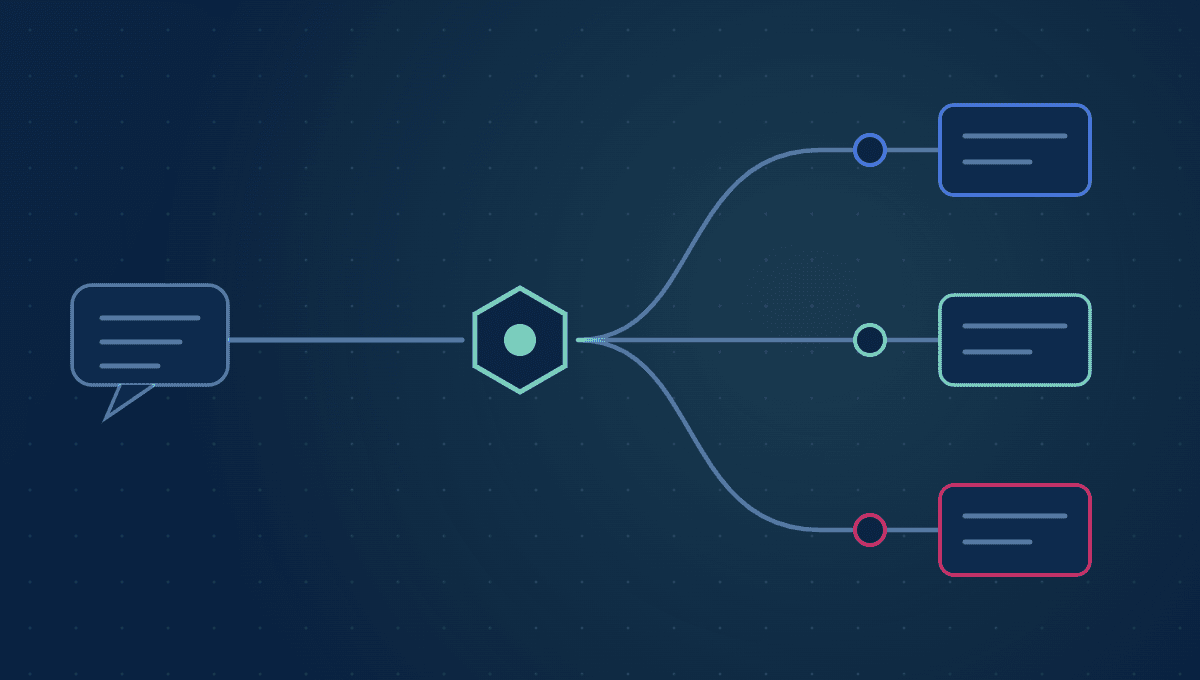
An agentic AI solution is software that pursues a goal autonomously across multiple steps and tools. Instead of answering "what is our overdue invoice total", an agent can pull the ledger, draft reminders, route exceptions to a human, and log everything. The autonomy is the point, and it is also why governance matters more here than anywhere else in AI.
Where autonomy pays off
Agents earn their keep on repetitive, multi-step, rules-heavy workflows that currently eat skilled hours. The strongest candidates share three traits:
- The task repeats often enough that automation compounds
- The steps span several systems a human currently stitches together
- A clear rule or human check can catch the rare wrong answer
Where it quietly burns money
Autonomy is expensive when the task is rare, when the cost of a wrong action is high and hard to reverse, or when the process is so fuzzy that no one can define what "done" looks like. In those cases a copilot that assists a human beats an agent that acts alone. Knowing the difference is most of the job.
The honest question is never can we build an agent for this. It is should we, and what happens when it is wrong.
Getting started without the hype
Start with an AI readiness assessment: is your data clean enough, are your processes documented, and is there a governance framework to sit under the agents? Then pick one pilot with high value and low blast radius. Prove it, measure it, and expand from evidence rather than enthusiasm.